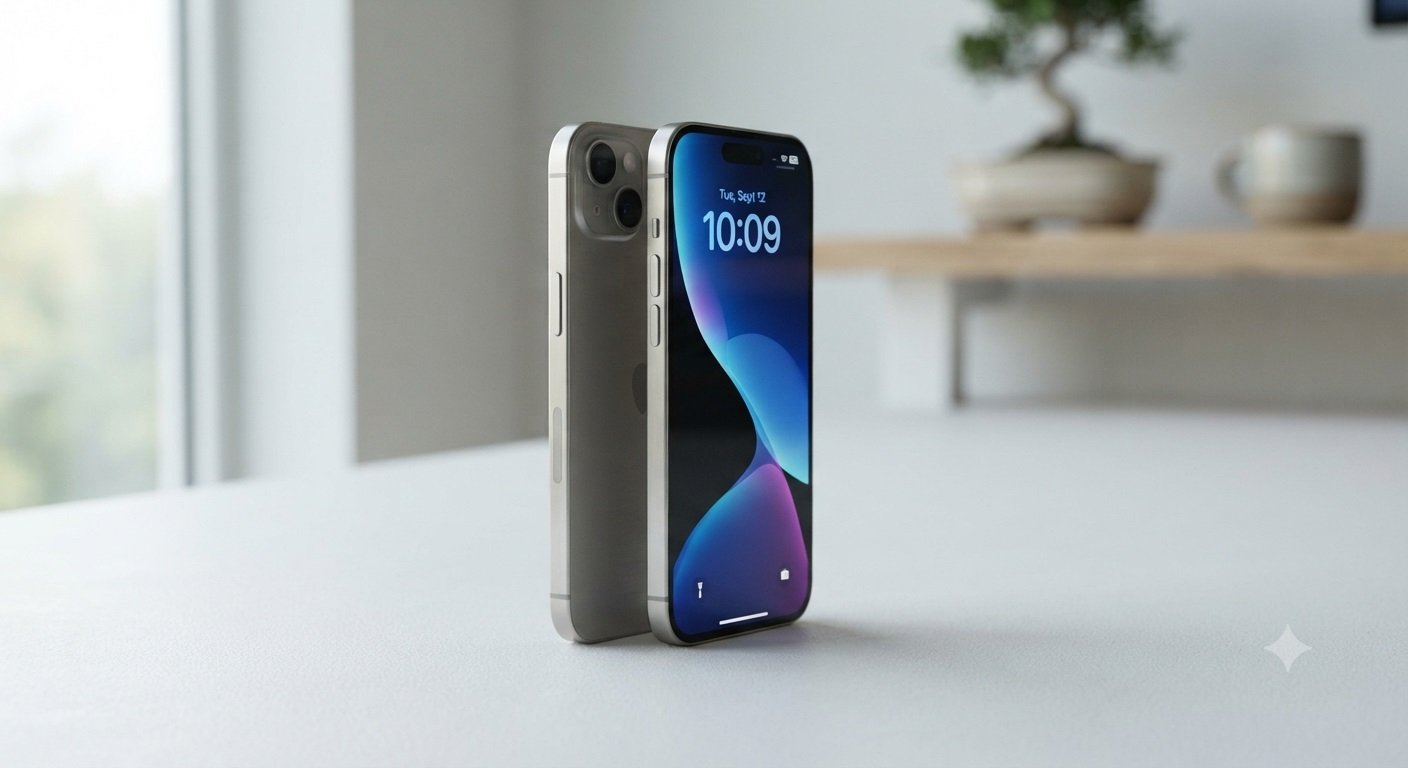
iPhone Air
The iPhone Air is a concept device that blends Apple’s sleek design philosophy with ultra-lightweight portability, imagined as a thinner, more refined evolution of the iPhone lineup.
Learn moreA mobile is a compact device that connects people globally through communication, apps, and the internet.
Android is a mobile operating system developed by Google, built on a modified Linux kernel and open-source software. It was first released in 2008 and has since become the most widely used OS for smartphones and tablets, while also powering devices like smart TVs, cars, and wearables. Its open-source nature allows manufacturers such as Samsung, Xiaomi, and OnePlus to customize the interface, resulting in unique user experiences like One UI or MIUI. At the same time, Google’s proprietary services—such as the Play Store, Gmail, and YouTube—form the backbone of the Android ecosystem, ensuring consistency across devices.
Over the years, Android has grown into a global platform with billions of active users, offering accessibility across all price ranges. Its success lies in flexibility and scalability, making it suitable for both entry-level phones and high-end flagships. Regular updates improve performance, security, and integration with Google’s services, while features like app permissions and Play Protect help safeguard users. With each new version, Android continues to refine its design, enhance privacy controls, and expand into new areas like automotive systems and augmented reality, reinforcing its role as a dominant force in mobile technology.
The iPhone is Apple’s flagship smartphone line, known for its sleek design, powerful performance, and seamless integration with the iOS ecosystem.
The iPhone Air is a concept device that blends Apple’s sleek design philosophy with ultra-lightweight portability, imagined as a thinner, more refined evolution of the iPhone lineup.
Learn more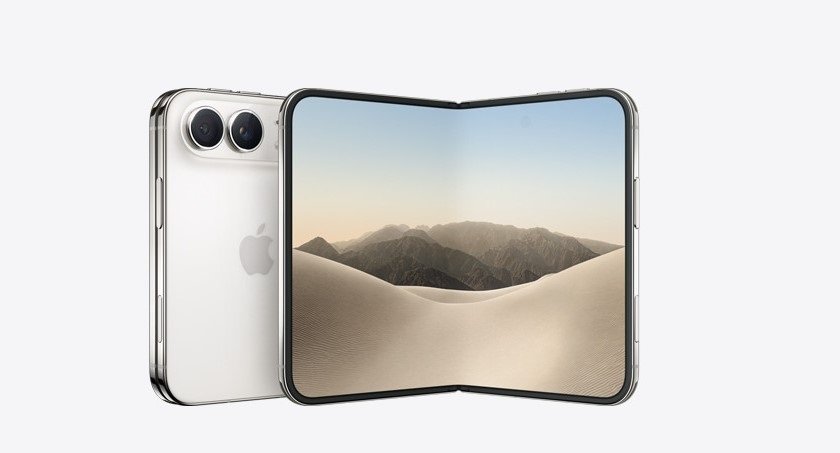
The iPhone Duo is a concept imagined as a dual-screen iPhone, designed to merge portability with multitasking by offering two seamlessly connected displays in a single device.
Learn more